
As our parents age, home can become both a place of comfort and potential risk. Everyday tasks that once felt simple, like getting out of bed, walking up stairs, or cooking dinner, can introduce new challenges. Fortunately, a few thoughtful changes can make a big difference in helping older adults stay independent and safe in their own homes.
At Lencare, we believe that safety starts with awareness and proactive design. Here’s how you can make your parents’ home safer and more supportive.
1. Start With a Home Safety Assessment
Before making changes, walk through the home with your parent and note any areas where they may struggle or feel unsteady. Look for dim lighting or shadows in walkways, loose rugs or uneven flooring, and hard-to-reach storage. Bathrooms without support rails or non-slip mats are another common hazard. If possible, have a professional occupational therapist or aged care assessor review the space to identify risks that aren’t always obvious.
2. Improve Lighting and Visibility
Good lighting reduces the risk of trips and falls. Install bright, even lighting in hallways, stairs, and entrances. Add motion-sensor night lights in bedrooms, bathrooms, and corridors. Use rocker light switches instead of small toggle ones for easier use, and choose warm, glare-free bulbs that mimic natural daylight.
3. Prevent Falls, the Most Common Home Hazard
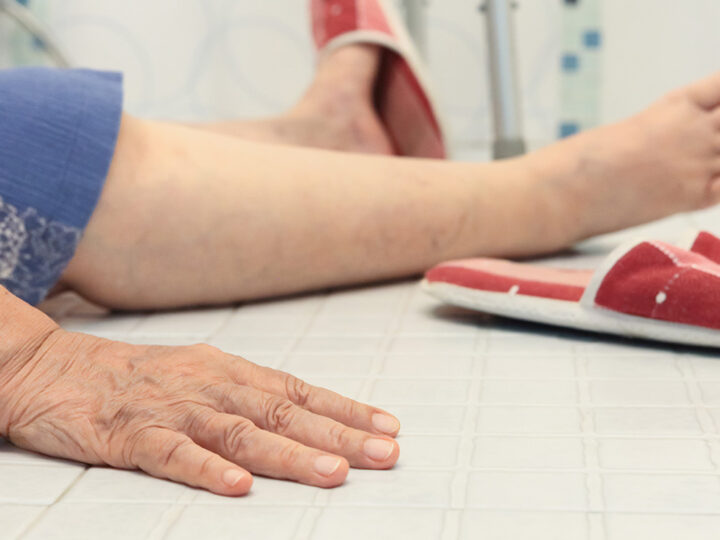
Falls are the leading cause of injury among older Australians. Preventing them often requires small adjustments. Remove throw rugs or secure them with non-slip backing, keep walkways clear of cords and furniture, add sturdy handrails on both sides of stairways, and consider non-slip flooring options like textured vinyl or rubber-backed mats. Encourage your parent to wear supportive shoes, even indoors.
4. Make Bathrooms Safer
Bathrooms are often the most dangerous room for seniors. Install grab rails near the toilet and inside the shower, use a shower chair or bath board for stability, and add a handheld showerhead for easier reach. Place non-slip mats inside and outside the shower, and set the water heater temperature below 50°C to prevent scalding.
5. Simplify Access and Movement
Mobility challenges can make simple activities harder. Replace round doorknobs with lever handles that are easier to grip, add ramps or threshold bridges at doorways, and rearrange furniture to create wide, clear paths for walkers or wheelchairs. Store frequently used items at waist height to reduce bending or reaching.
6. Plan for Emergencies
Even in a safe home, accidents can happen. Prepare for quick response by installing a personal alarm system or fall detection device, keeping emergency numbers clearly visible near phones, and ensuring smoke and carbon monoxide detectors are working. If your parent lives alone, schedule daily check-ins by phone or text.
7. Maintain Independence With Smart Technology
Modern assistive tech can empower seniors to stay in control while giving families peace of mind. Smart lights and plugs can be voice-controlled, medication reminders and automated pill dispensers help manage routines, and door sensors or cameras can alert family members to unusual activity. Medical alert pendants linked to monitoring services provide reassurance that help is always close. At Lencare, we focus on solutions that balance safety and dignity. Technology should enable independence, not take it away.
8. Keep Reviewing and Adapting
Safety is not a one-time project. As needs change, revisit the setup every few months. Has mobility changed? Are new health devices needed? Is the environment still easy to navigate at night? Simple adjustments over time keep your parent’s home a place of comfort, not concern.
Caring for aging parents is a journey that blends love with responsibility. By creating a home that anticipates challenges, you’re not just preventing accidents, you’re supporting their confidence and quality of life. Lencare is committed to helping families make these transitions with compassion and practical support. We’re here to help create homes where older Australians can live safely and independently.