
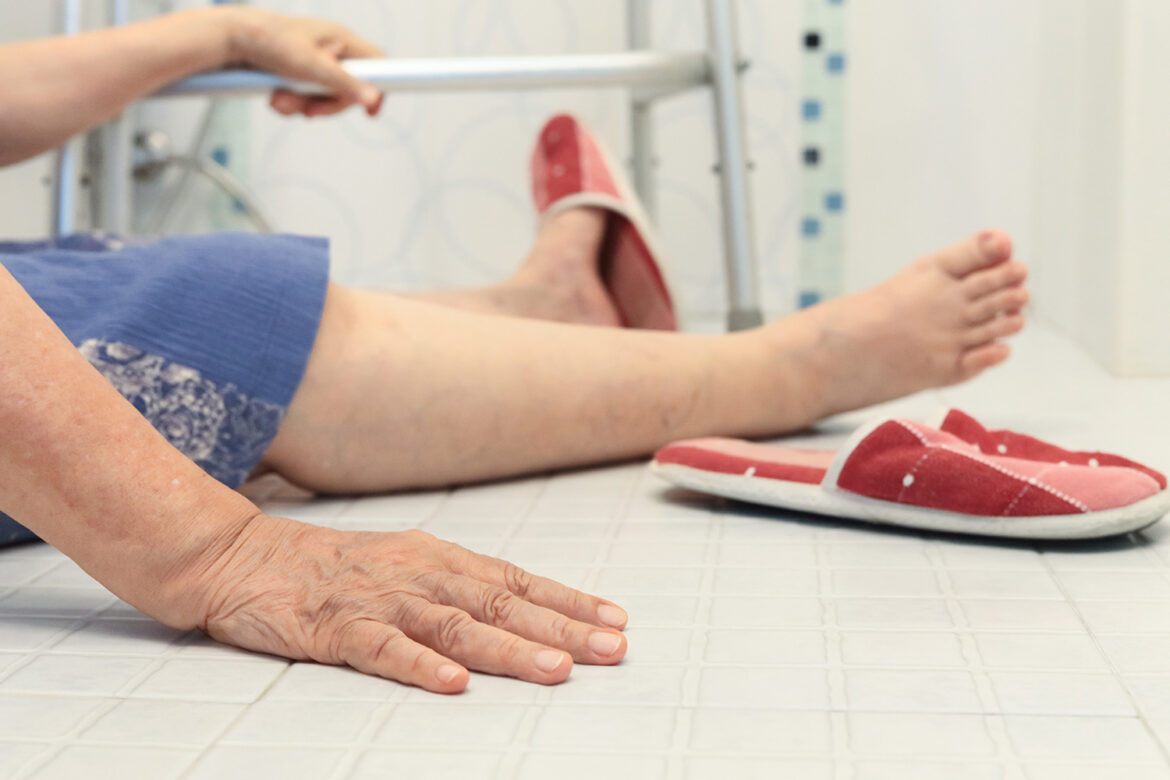
Falls Prevention: The Silent Challenge in Ageing Care
Falls among older Australians pose a serious, often overlooked threat. These incidents not only devastate individuals and families, they also place enormous strain on our healthcare system. Here’s a deeper look at the stats and proactive steps we can take to prevent them.
The Staggering Impact of Falls
Falls are the leading cause of injury hospitalisations in Australia: in 2023–24 alone, there were 248,211 hospitalisations, accounting for 43% of all injury-related admissions (PHAA, Falls Prevention Alliance, AIHW). In 2022–23, 6,698 deaths were also attributed to falls, again making up 43% of injury-related deaths (AIHW).
The financial cost is equally sobering. Fall-related injuries cost the health system approximately $5 billion annually (AIHW). In residential aged care specifically, the burden is estimated at around $325 million per year (NARI).
To personalise the scale, every day about 364 Australians aged 65+ are hospitalised due to a fall (CRE Prevent Falls Injuries). That’s one fall-related hospitalisation every four minutes, on average.
Why This Matters for Older Australians
As our population ages, the number of individuals at risk continues to rise. Today, roughly 30% of adults over 65experience at least one fall each year (ANZ Falls Prevention). By 2066, older Australians (65+) could make up as much as 22% of the population (PHAA), signalling that the impact of falls will only grow in both human and economic terms.
Practical Strategies to Reduce Falls Risk
- Environmental Modifications at Home
- + Declutter living spaces and clear walking paths to eliminate tripping hazards.
- + Improve lighting, especially in hallways, staircases, and bathrooms, to ensure safe visibility.
- + Use non-slip flooring or mats in wet areas like bathrooms and kitchens.
- + Install sturdy handrails or grab bars where needed, such as near toilets, in showers, or beside stairs (Elderly Care).
- Exercise & Physical Conditioning
Encourage regular strength and balance training. Programs such as Otago exercises, resistance training, Pilates, or tai chi can lower fall risk by improving stability and muscle function (Fall Prevention).
Sustained activity helps counter sarcopenia, the age-related loss of muscle mass, which is key to preserving mobility.
- Review Medications & Address Health Factors
Have a healthcare provider review medications that may increase sedation, dizziness, or balance issues (Fall Prevention).
Address vision and hearing impairments promptly, as both are common contributors to falls.
For those at risk of fractures, especially due to low bone density, manage osteoporosis with appropriate medication and nutrition.
- Support Networks & Community Programs
Home assessments by occupational therapists, or through services like My Aged Care, can help identify hazards and inform safe modifications (The Australian, Aged Care in Australia).
Consider enrolling older adults in community-based falls prevention programs, which often combine exercise, education, and peer support to maintain mobility and confidence.
- Staff Training in Aged Care Facilities
For residents in aged care, staff should be trained in fall-risk awareness and prevention techniques. Workshops run by the National Ageing Research Institute (NARI) serve as valuable models for training nationwide.
Tailored strategies based on resident profiles, such as BMI, gender, and mobility levels, can further enhance care effectiveness (UQ News).
Why Prevention Is a Win-Win

Key Takeaways
- + Falls are common and costly, both in human and economic terms.
- + Many falls are preventable with relatively simple interventions.
- + A multipronged approach that addresses environment, strength, health, and support offers the best outcomes.
- + Being proactive in aged care settings and at home can help Australians age safely and with dignity.
- + By raising awareness and empowering individuals, families, and professionals, we can help turn the tide on this silent but significant challenge.
- + For practical, safety-focused solutions designed to support independence and ageing in place, explore the Lencare range.